
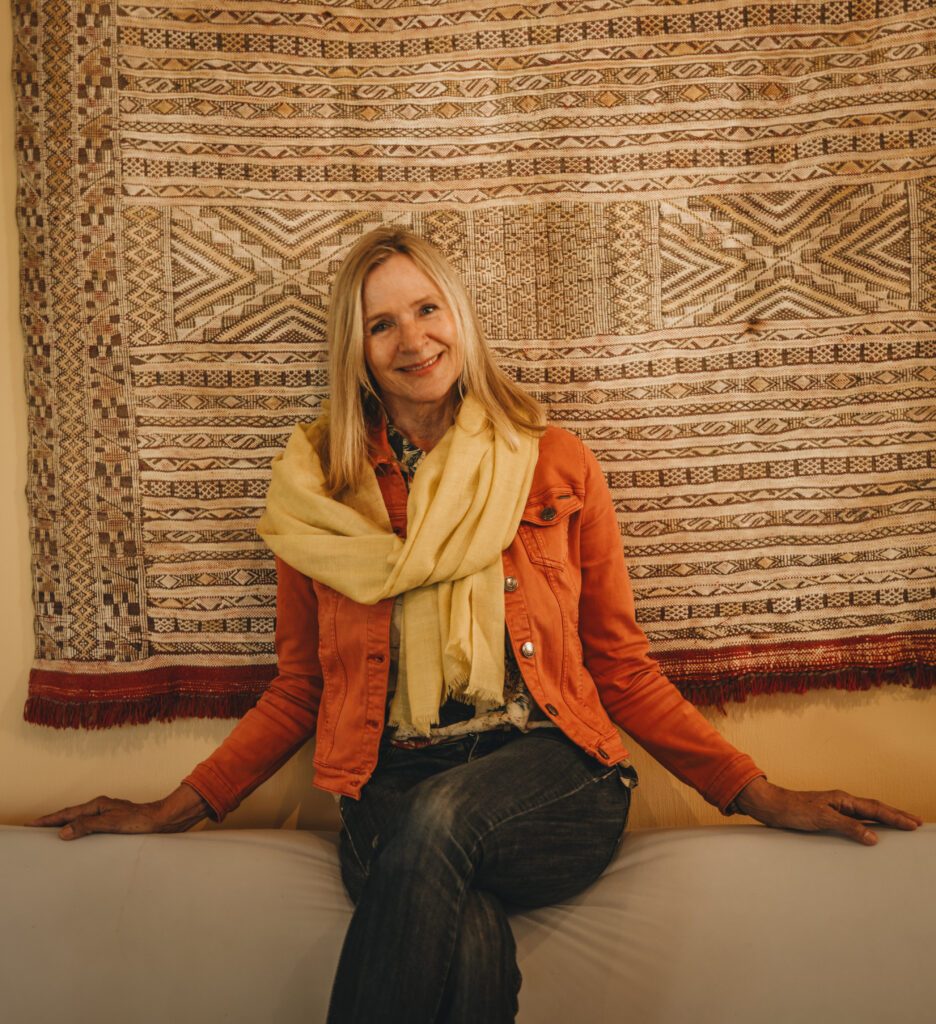
Estelle Gautier is a South African artist dedicated to influencing attitudes and behaviours that contribute towards climate change. Through her art, work and studies, she discovered the extent of the devastating effects of climate change, particularly in developing countries where people are living in conditions of poverty and inequality.
Estelle is a PhD student at the University of Cape Town with her study focus being Climate Change Adaptation Monitoring and Evaluation. She holds a degree in Communication, honours degree in Psychology (University of Johannesburg) and a master’s degree in Programme Evaluation (University of Cape Town).
Could You Briefly Explain The Driving Force/Motivation Behind Your Work?
Climate change affects the most vulnerable, poorest people of the world who were the least responsible for causing the problem. In South Africa, I am experiencing the realities of these inequalities, suffering and hardship, particularly in rural communities, where I monitor and evaluate climate change projects. I have been feeling emotions of loss similar to those feelings people experience when they have lost a loved one. I discovered that my feelings were about the earth systems in mourning, signalling grief of these systems. I recognised these emotions resemble the five stages of grief, identified by the renowned psychologist Elizabeth-Kubler-Ross (1969) and that it represents a much larger reality than my own.
Whilst in the process of developing a proposal for my PhD study, I became more conscious of the urgency for research on climate change adaptation in a developing country, whilst recognising that climate change mitigation is of equal importance. The resentment I felt towards climate deniers further germinated, and although I shifted my study focus to adaptation, I felt a need to take action on influencing behaviour change. Comments in the media and people in my environment such as “the climate is changing, irrespective of human influence” kept irritating me and compelled me to find an outlet for these deep emotions. Personally, the way for me to start a process of personal transformation was through my artistic practice and expression. This is embedded in my vision to stimulate reflection and discussion on the climate crisis and to inspire transformative change.

Where/How Has Your Work Engaged With Systems Or Transformative Change-Making?
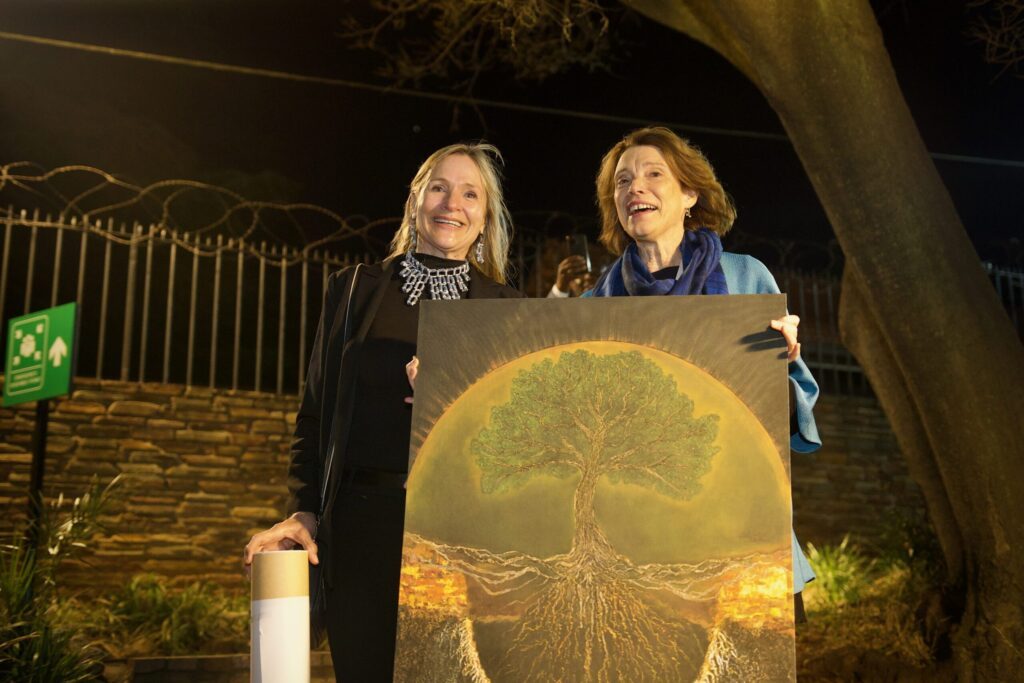
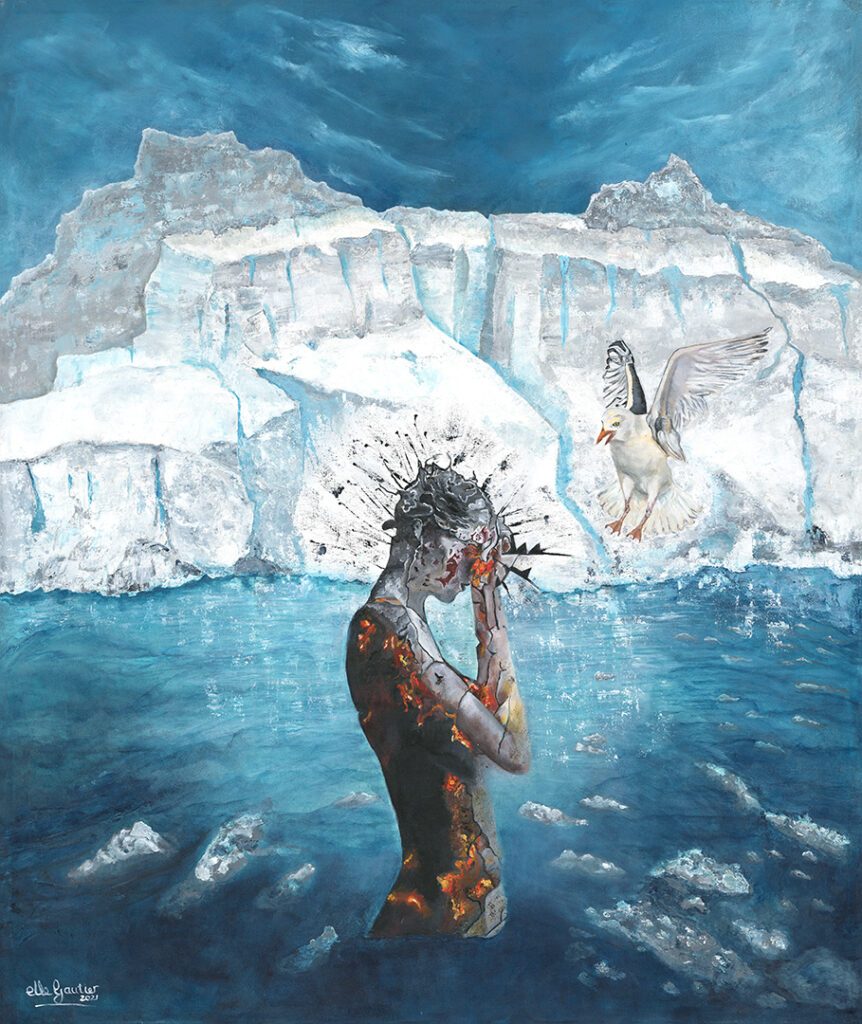
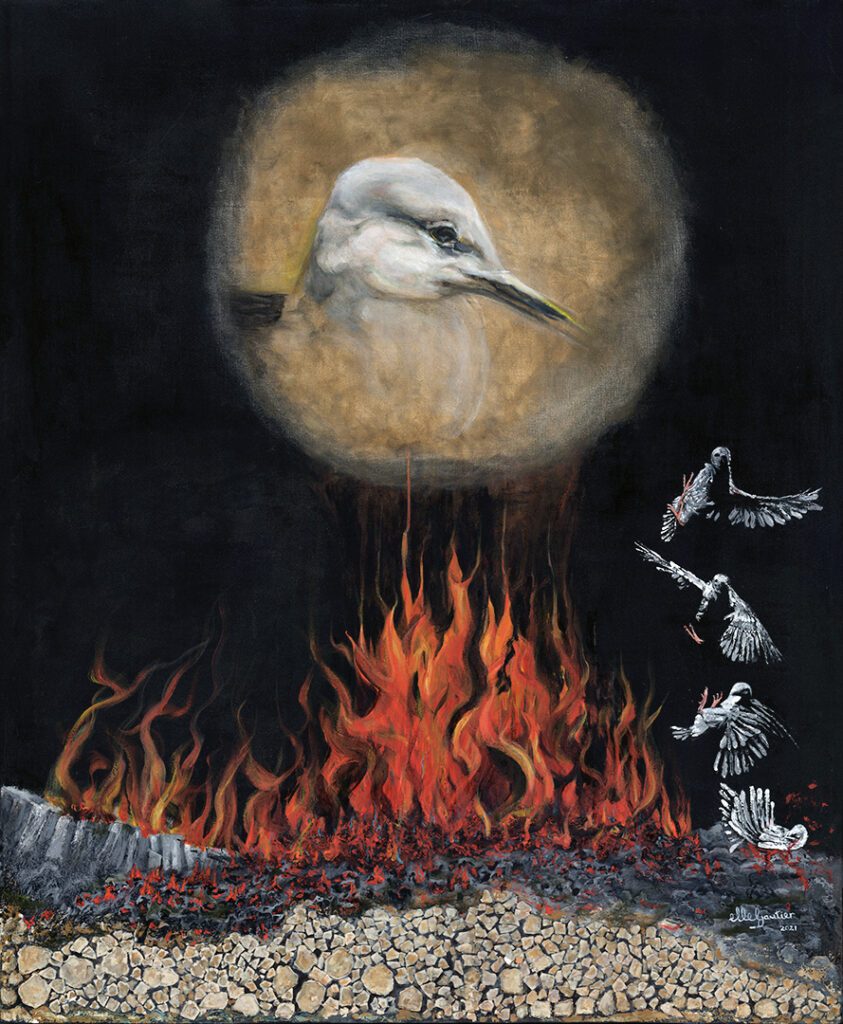
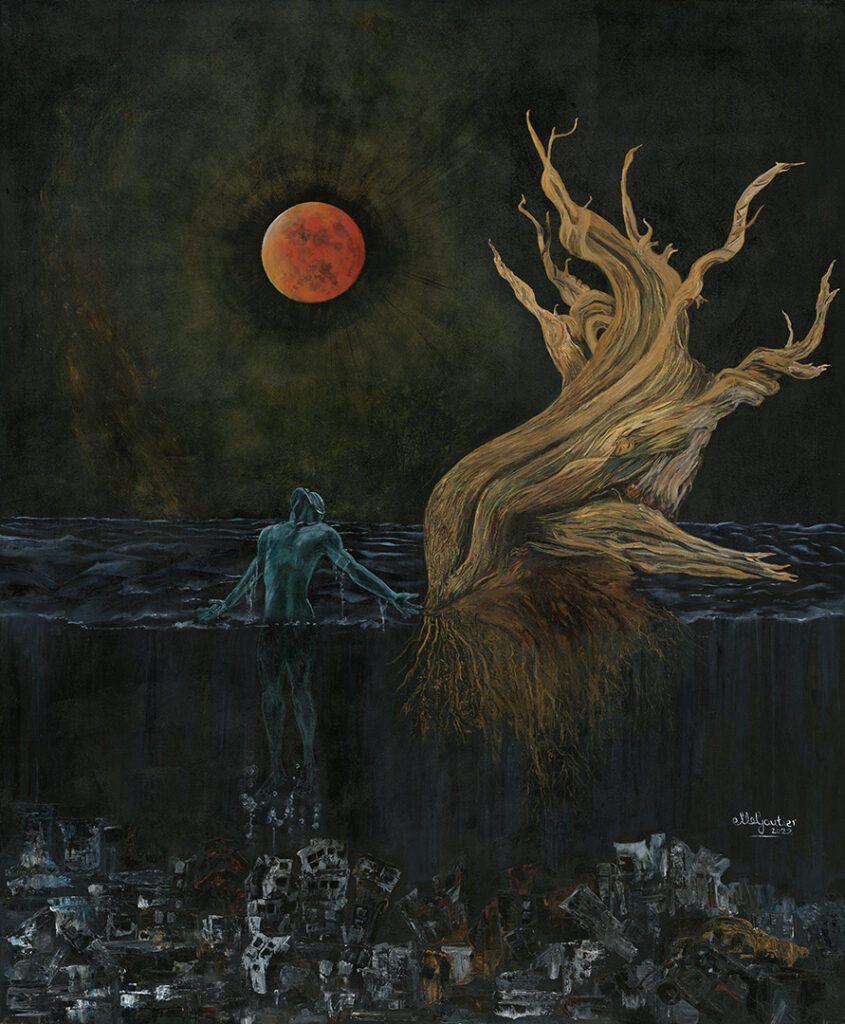
The Anthropocene series has at heart The famous Kubler-Ross Change Curve (1969), also known as the five stages of grief, originally identified in the context of dealing with loss and bereavement, can be applied to various types of personal change. The stages include denial, anger, bargaining, depression, and acceptance. This model recognizes that change is often accompanied by a range of emotions and highlights the importance of acknowledging and processing these emotions to move forward. In addition, David Kessler in “Finding Meaning” (2019) documented a sixth stage, which is finding meaning.
The first part of the Anthropocene series consists of all six stages of grief and is continuing with the second part of finding meaning and transformative action. During the art creation, these stages emerged spontaneously, representing earth, animals, plants and human beings. The first stage of grief painting represents the evolution of earth and reveals that during the past 10,000 years or so, human beings have changed the face of the earth (www.thinkplan.co.za)
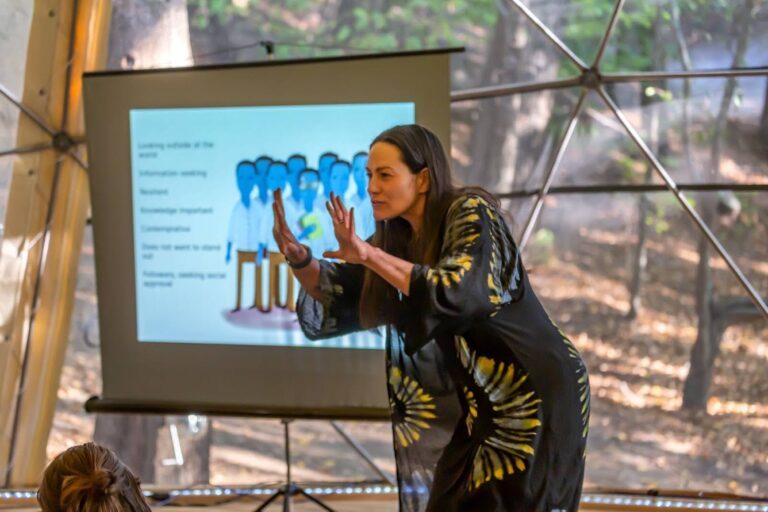
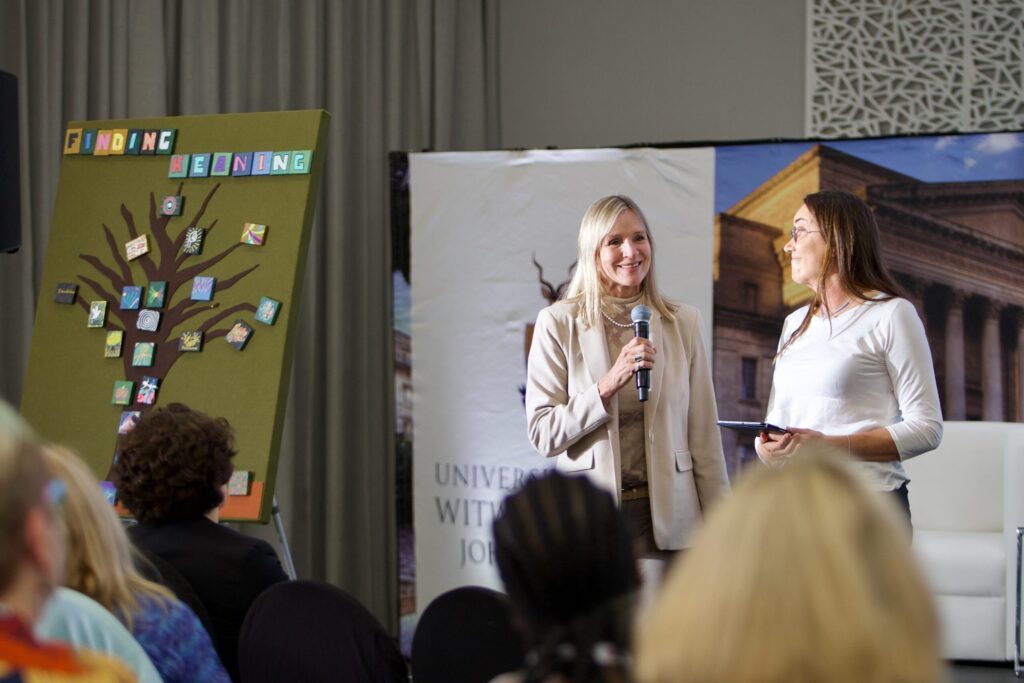
The works of art were utilised during the ESG/TC 2025 Conference to provide a container for workshop sessions with delegates to explore their feelings about the climate crisis, their sense of loss, personal perspectives and challenges. The workshop was facilitated to stimulate possible solutions to the question regarding what transformational shifts (attitudes, beliefs and behaviours) are required to heal earth systems and give hope. The sessions resulted in deep reflection and sharing of personal journeys regarding climate change. The final session of the workshop gave an opportunity for all to produce their own work of art as an expression of their future vision. The inputs and narrative description of their art as well as every delegate’s stage of grief was recorded with the view of developing a study to take the transformative workshops to other groups in other countries.
How Can The Transformations Community Support Your Work?
The artist, together with other interested co-creators, envisions to continue working with groups of people affected by climate change as well as researchers and influencers within the transformations community. The aim would be two-fold :
- To gather data for a research paper to determine how climate change is impacting the emotional experience of people in different societal groups.
- To use the research as evidence for transformative action and possibly
- To influence behaviour, change not only amongst the converted, but to those who deny the contribution of human beings to the negative consequences of climate change
The transformations community could potentially partner with the artist ( and the Adaptation Network) to further explore the idea of the above described workshops.
The artist has committed to donating the proceeds of sales of limited-edition copies of the eight art pieces contained in the Anthropocene series, to the implementation of climate change adaptation initiatives in developing countries through the Adaptation Network . The vision of the Adaptation Network is to promote knowledge sharing and partnerships amongst practitioners and institutions engaged in developing and applying the theory and practice of adaptation to climatic variability and change in South Africa. The funds raised could support further research and funding to include underprivileged communities affected by the negative impacts of climate change.
The Transformations community could support the Adaptation Network through the artist, to promote the sales of limited edition copies of the art.

Gala Evening Art donation